Balkanization
Fragmentation of Nations, what Awaits the United States

The Balkanization of Empires: A Detailed Examination of the Soviet Union, Ottoman Empire, Iraq, and Yugoslavia
The term "Balkanization" refers to the fragmentation of large, multi-ethnic states or empires into smaller, often ethnically or culturally distinct entities, typically accompanied by conflict, instability, or competing nationalisms. The term originates from the Balkan Peninsula, where the Ottoman Empire’s disintegration in the 19th and early 20th centuries led to the emergence of numerous nation-states. This phenomenon, however, is not confined to the Balkans and has been observed in the dissolution of other complex political entities, such as the Soviet Union, Iraq, and Yugoslavia. Each case reflects unique historical, cultural, and geopolitical dynamics, but they share common themes of ethnic diversity, imperial overreach, and external pressures. This report examines the Balkanization of these four entities in detail, followed by an analysis of the Bolsheviks’ role in shaping these processes, particularly in the context of the Soviet Union.
The Ottoman Empire: A Multi-Ethnic Giant
The Ottoman Empire, spanning three continents at its height, was a multi-ethnic and multi-religious state that ruled over diverse populations, including Turks, Arabs, Greeks, Armenians, Kurds, and Slavs. From the 14th century, it maintained cohesion through a millet system, granting religious communities limited autonomy. However, by the 19th century, internal weaknesses and external pressures began to erode its unity. The empire’s vast size, coupled with economic stagnation and administrative inefficiencies, made it vulnerable to nationalist movements.
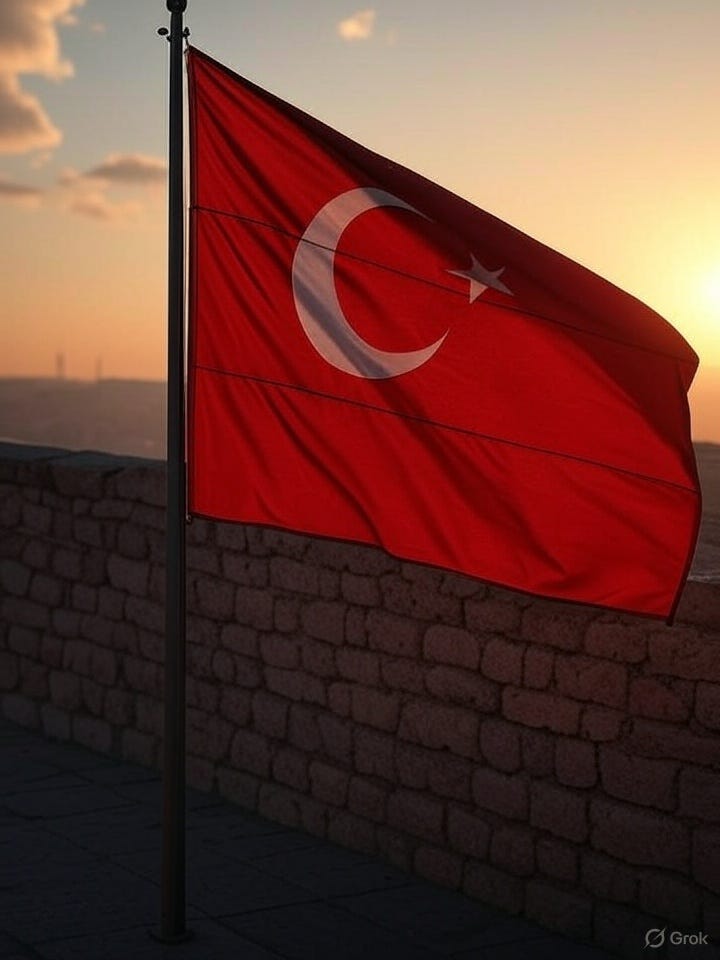
Rise of Nationalism in the Ottoman Balkans
The 19th century saw the rise of nationalist ideologies in the Balkans, fueled by Enlightenment ideas and the French Revolution. The Serbian Revolution (1804–1835) marked an early push for independence, as Serbs sought to break free from Ottoman rule. This set a precedent for other groups, including Greeks, who achieved independence in 1830 after a brutal war. These movements were often supported by European powers, particularly Russia, which sought to weaken the Ottoman Empire while expanding its own influence.
The Role of European Powers
European intervention exacerbated Ottoman fragmentation. The Congress of Berlin (1878) redrew Balkan borders, granting independence or autonomy to Serbia, Montenegro, and Romania while placing Bosnia under Austro-Hungarian administration. This not only diminished Ottoman control but also sowed seeds of rivalry among new states, as borders often ignored ethnic realities. The Great Powers’ strategic interests—Britain and France supporting the Ottomans to counter Russia—further complicated the region’s dynamics.
The Young Turk Revolution and Decline
The 1908 Young Turk Revolution aimed to modernize the empire and promote a unifying "Ottomanism." However, its Turkification policies alienated non-Turkish groups, particularly Arabs and Armenians. The Balkan Wars (1912–1913) further weakened the empire, as Serbia, Greece, Bulgaria, and Montenegro seized nearly all remaining Ottoman territories in Europe. These wars highlighted the empire’s inability to suppress nationalist uprisings.
World War I and Final Collapse
World War I proved fatal for the Ottoman Empire. Allying with the Central Powers, it faced internal revolts, such as the Arab Revolt (1916–1918), backed by Britain. The 1919 Treaty of Sèvres dismantled the empire, creating mandates in the Middle East under British and French control and recognizing new states like Turkey. The empire’s collapse left a legacy of fragmented states and unresolved ethnic tensions, particularly in the Middle East and Balkans.
Allies Role in the Ottoman Empire’s Dissolution and Middle Eastern Instability
The dissolution of the Ottoman Empire and the subsequent instability in the Middle East, including the rise of groups like Al-Qaeda can be linked to how the past empire the UK separated the nations. However, NATO’s actions in the broader Middle Eastern context, particularly through its member states like the United States, have contributed to regional instability, which some argue has roots in the post-Ottoman geopolitical order. U.S. and NATO policies have undeniably shaped the conditions fostering such groups. This report examines NATO’s indirect role in the post-Ottoman Middle East and the instability linked to its interventions.
The Ottoman Empire’s fragmentation was driven by internal weaknesses and European powers’ interventions in the 19th and early 20th centuries, predating NATO. The 1916 Sykes-Picot Agreement, crafted by Britain and France, carved up Ottoman territories into mandates, creating artificial borders that ignored ethnic and religious realities. These colonial divisions laid the groundwork for modern Middle Eastern states like Iraq and Syria but sowed seeds of instability by fostering sectarian tensions. While NATO as an organization was established later the allies played a key role, its members—Britain, France, and later the U.S.—played significant roles in shaping the post-Ottoman order, which NATO inherited as a geopolitical reality.
NATO’s direct involvement in the Middle East began during the Cold War, with the U.S. leading efforts to counter Soviet influence. In the 1980s, the U.S., a NATO linchpin, supported Afghan mujahideen against the Soviet Union, indirectly aiding figures like Osama bin Laden, who later founded al-Qaeda. Declassified documents show the CIA provided $3–5 billion in aid to Afghan fighters, channeled through Pakistan, but no credible evidence supports direct U.S. funding of al-Qaeda. However, this intervention created a network of battle-hardened jihadists, some of whom formed al-Qaeda, exploiting the post-Ottoman region’s instability to launch attacks like 9/11, which prompted further NATO involvement.
Post-9/11, NATO’s interventions in Afghanistan (2001–2021) and its support for U.S.-led operations in Iraq (2003–2011) significantly destabilized the region. The U.S. invasion of Iraq, backed by NATO allies like Britain, dismantled the Ba’athist state, creating a power vacuum that fueled sectarian violence and gave rise to al-Qaeda in Iraq, a precursor to ISIS. NATO’s training missions in Iraq, under Operation Inherent Resolve, aimed to stabilize the country but struggled against the chaos unleashed by the invasion. Critics argue that U.S. policies, tacitly supported by NATO, enabled ISIS’s rise by alienating Sunni populations and failing to address Iraq’s post-Ottoman sectarian divides.
Evidence points to complex factors: U.S. support for Syrian rebels against Assad inadvertently benefited jihadist groups, and Gulf states, Provided funding to Sunni militants. NATO’s role in Libya’s 2011 intervention, led by France and Britain, further destabilized the region, toppling Gaddafi and creating a haven for groups like ISIS. These actions, rooted in the post-Ottoman legacy of fragile states, highlight how NATO’s interventions, while Funding Al-Qaeda or ISIS, exacerbated the instability that allowed such groups to thrive.
The Soviet Union: A Socialist Federation
The Soviet Union, established in 1922, was a federation of diverse republics bound by Marxist-Leninist ideology. Spanning 15 republics and numerous ethnic groups, it sought to unify its populations under socialism while recognizing national identities through a federal structure. However, centralized control from Moscow often suppressed local autonomy, creating underlying tensions.
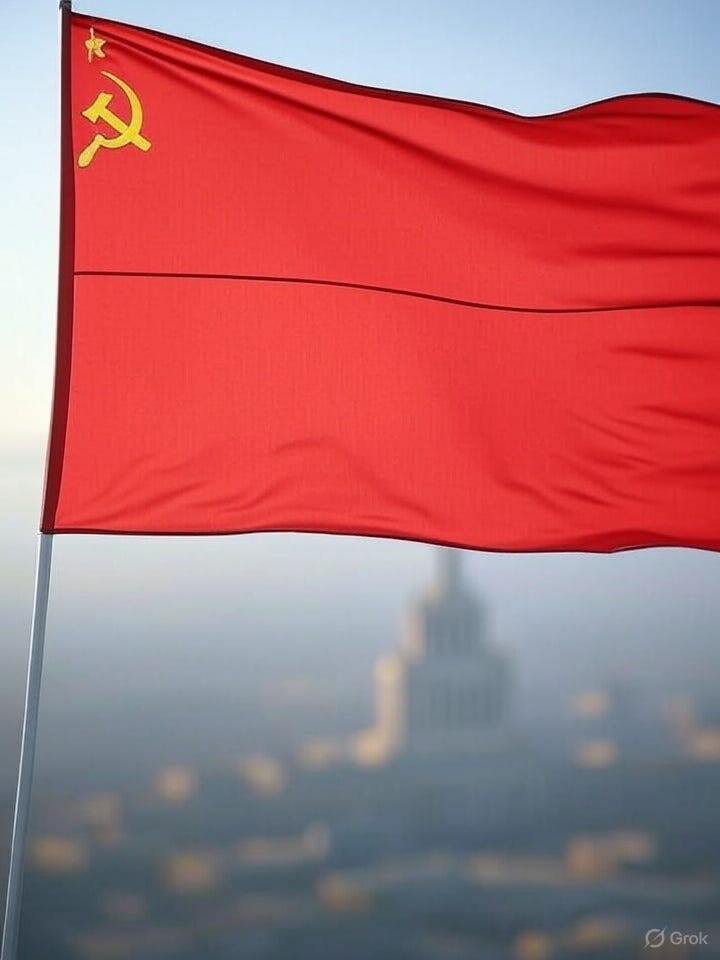
Post-World War II Stability
After World War II, the Soviet Union emerged as a superpower, maintaining cohesion through a strong centralized state, economic planning, and the Red Army’s presence in Eastern Europe. The USSR’s federal structure allowed nominal autonomy for republics like Ukraine, Georgia, and Uzbekistan, but real power rested with the Communist Party. This suppressed ethnic nationalism temporarily but did not eliminate it.
Economic and Political Stagnation
By the 1970s, economic stagnation and bureaucratic inefficiency weakened the Soviet system. The centrally planned economy struggled to meet diverse regional needs, and corruption eroded public trust. Nationalist sentiments simmered in republics like the Baltics, where memories of forced annexation in 1940 fueled resentment against Moscow.
Gorbachev’s Reforms and Unraveling
Mikhail Gorbachev’s policies of glasnost (openness) and perestroika (restructuring) in the 1980s inadvertently accelerated Soviet fragmentation. Glasnost allowed suppressed ethnic grievances to surface, while perestroika weakened central control. Nationalist movements gained momentum in republics like Lithuania, Georgia, and Azerbaijan, where ethnic clashes, such as the Nagorno-Karabakh conflict, erupted.
The Collapse of the Soviet Union
The failed August 1991 coup against Gorbachev emboldened republics to declare independence. By December 1991, the Soviet Union dissolved, with Russia, Ukraine, Belarus, and other republics becoming sovereign states. The process was relatively peaceful compared to Yugoslavia, but conflicts in Chechnya, Tajikistan, and elsewhere revealed lingering ethnic and territorial disputes.
The Soviet Union’s Debt Collapse and Scott Bessent’s Role Under George Soros
The collapse of the Soviet Union in 1991 was a complex process driven by economic stagnation, political reforms, and mounting debt, exacerbated by global financial pressures. While Scott Bessent, working for George Soros at Soros Fund Management, is often associated with high-profile currency trades like the 1992 “Black Wednesday” bet against the British pound, there is limited evidence directly linking him to a specific role in the Soviet Union’s debt collapse. However, Soros Fund Management’s activities in Eastern Europe during the late 1980s and early 1990s, including speculative financial maneuvers, coincided with the Soviet economic crisis, and Bessent’s involvement in the firm’s broader strategy provides context for his potential influence. This report examines the Soviet debt crisis and Bessent’s role within Soros’s operations during this period. (Remember Bessent is good at chaos and sees collapsing currencies and debt as opportunity. Food for thought)
The Soviet Union’s economy began faltering in the 1970s due to inefficiencies in central planning, declining oil revenues, and heavy military spending. By the 1980s, the USSR faced a growing external debt, estimated at $70 billion by 1991, as it borrowed heavily from Western banks to sustain imports and prop up its economy. Mikhail Gorbachev’s perestroika reforms aimed to liberalize the economy but instead exposed its weaknesses, leading to shortages and inflation. The Soviet Union’s inability to service its debt, coupled with a loss of confidence from Western creditors, contributed to its economic implosion, setting the stage for its dissolution into 15 republics.
George Soros, through Soros Fund Management, was active in Eastern Europe during this period, combining philanthropy with financial speculation. Soros established the Open Society Foundations in 1984 to support democratic transitions in communist states, including the Soviet Union, by funding dissident movements and economic reform initiatives. Simultaneously, Soros Fund Management engaged in currency and debt market trades in emerging markets. While Soros is not directly credited with collapsing the Soviet economy, his firm’s speculative activities in volatile markets, including those tied to Soviet debt instruments, could have amplified financial pressures. Scott Bessent, who joined Soros Fund Management in 1991 as a key analyst, was part of the team navigating these high-stakes trades.
Bessent’s specific contributions during the Soviet collapse are less documented compared to his role in the 1992 British pound trade, where he helped Soros earn over $1 billion by betting against the pound’s peg in the European Exchange Rate Mechanism. However, as head of global research in Soros’s London office by 1992, Bessent analyzed macroeconomic trends, including those in Eastern Europe. The Soviet Union’s debt crisis involved distressed bonds and currency devaluations, areas where Soros’s firm was active. Bessent’s expertise in spotting economic vulnerabilities, later evident in his analysis of the British housing market, likely contributed to Soros’s strategies in exploiting Soviet financial weaknesses, though no public records confirm he directly targeted Soviet debt.
The broader impact of Soros Fund Management’s activities, with Bessent’s involvement, lies in the firm’s ability to capitalize on economic chaos. The Soviet Union’s default on its debts in 1991, coupled with the ruble’s collapse, created opportunities for hedge funds to profit from distressed assets or currency fluctuations. While Soros’s philanthropy supported post-Soviet transitions, his financial maneuvers, including those Bessent helped execute, may have indirectly deepened the crisis by signaling to markets the USSR’s insolvency. This mirrors the Balkanization process, as economic collapse fueled nationalist movements, fragmenting the Soviet state. Bessent’s role, though not singularly decisive, was part of a larger financial ecosystem that accelerated the Soviet Union’s economic demise.
Yugoslavia: A Fragile Federation
Yugoslavia, formed after World War I as the Kingdom of Serbs, Croats, and Slovenes, was a multi-ethnic state uniting South Slavic peoples. After World War II, Josip Broz Tito’s communist regime reorganized it as a federation of six republics (Serbia, Croatia, Bosnia, Slovenia, Montenegro, Macedonia) and two autonomous regions (Kosovo, Vojvodina). Tito’s policies suppressed ethnic tensions through a delicate balance of power.
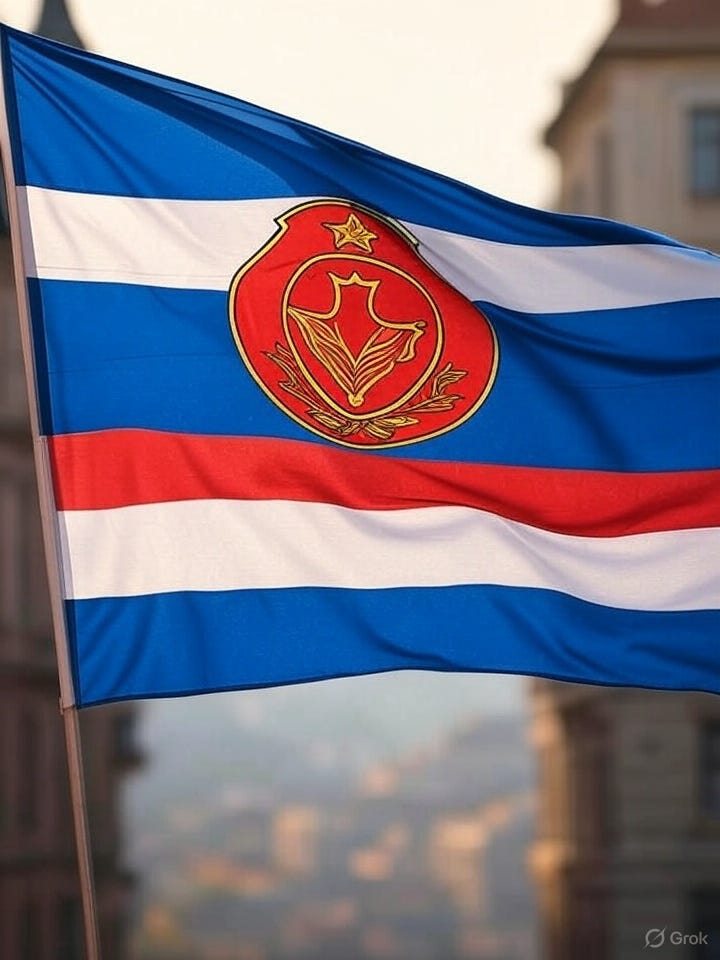
Tito’s Death and Rising Tensions
Tito’s death in 1980 left Yugoslavia without a unifying figure. Economic decline in the 1980s, coupled with IMF-imposed austerity, deepened regional disparities. Serbia, under Slobodan Milošević, sought to centralize power, alienating Slovenia and Croatia, which favored greater autonomy. Ethnic nationalism surged, fueled by historical grievances and propaganda.
The Yugoslav Wars
In 1991, Slovenia and Croatia declared independence, triggering the Yugoslav Wars. Slovenia’s brief conflict ended quickly, but Croatia’s war with Serb forces lasted until 1995. Bosnia’s declaration of independence in 1992 led to a brutal war involving Serbs, Croats, and Bosniaks, marked by ethnic cleansing and the Srebrenica massacre. The wars fractured Yugoslavia into multiple states.
NATO’s Role in the Dissolution of Yugoslavia and the Bombing Campaigns
NATO’s involvement in the dissolution of Yugoslavia, particularly during the 1990s, was a pivotal factor in the country’s fragmentation, culminating in the 1999 bombing campaign against Serbia. As Yugoslavia began to unravel following the death of Josip Broz Tito in 1980, ethnic tensions and nationalist movements surged, particularly in Slovenia, Croatia, Bosnia, and Kosovo. NATO, initially hesitant to intervene in what was seen as a European issue, became increasingly involved as the Yugoslav Wars escalated, driven by humanitarian concerns, geopolitical interests, and pressure from Western powers. The alliance’s actions, particularly in Bosnia and Kosovo, accelerated the disintegration of Yugoslavia by weakening Serbian dominance and enabling the emergence of independent states, while also setting a precedent for military intervention in sovereign nations.
In Bosnia, NATO’s involvement began with limited measures during the 1992–1995 Bosnian War. The alliance enforced a UN-mandated no-fly zone over Bosnia in 1993 (Operation Deny Flight) to curb Serbian air operations and protect civilian populations. However, as atrocities like the Srebrenica massacre in 1995 unfolded, NATO launched Operation Deliberate Force, a two-week bombing campaign targeting Bosnian Serb military positions. This intervention, involving over 400 aircraft and 3,515 sorties, forced the Bosnian Serbs to the negotiating table, leading to the Dayton Agreement. While stabilizing Bosnia, NATO’s actions undermined the Yugoslav federation by empowering Bosniak and Croat forces, effectively endorsing the partition of the country along ethnic lines.
The most significant NATO intervention occurred in 1999 during the Kosovo War, where ethnic Albanian insurgents in Kosovo, a Serbian province, clashed with Serbian forces. Following failed peace talks and escalating violence, NATO launched Operation Allied Force, a 78-day bombing campaign from March to June 1999. Targeting Serbian military infrastructure, government buildings, and even civilian sites like bridges and power plants, NATO dropped over 38,000 bombs, killing an estimated 500–1,500 civilians and displacing thousands. The campaign, conducted without UN Security Council approval, was justified as a humanitarian intervention to prevent Serbian ethnic cleansing but was criticized for violating international law and exacerbating civilian suffering.
The bombing campaign crippled Serbia’s ability to maintain control over Kosovo, leading to its de facto separation under UN administration and eventual declaration of independence in 2008. This decisively ended the remnants of Yugoslavia, as Serbia, the federation’s core, was weakened militarily and politically. NATO’s actions also strained relations with Russia and China, who opposed the intervention, and fueled anti-Western sentiment in Serbia, complicating post-war reconciliation. The alliance’s support for Kosovo’s Albanian population and its role in dismantling Serbian authority underscored the fragmentation of Yugoslavia into smaller, ethnically defined states.
NATO’s interventions in Yugoslavia were driven by a mix of humanitarian motives, strategic interests in stabilizing the Balkans, and the desire to assert Western influence in post-Cold War Europe. However, the bombing campaigns, particularly in Kosovo, accelerated Yugoslavia’s Balkanization by empowering separatist movements and undermining Serbia’s territorial integrity. While NATO’s actions helped end immediate conflicts, they left a legacy of division, unresolved ethnic tensions, and debate over the ethics of military intervention, shaping the Balkans’ fractured geopolitical landscape to this day.
Kosovo and Final Fragmentation
The 1998–1999 Kosovo War, pitting ethnic Albanian insurgents against Serbian forces, led to NATO intervention and Kosovo’s eventual declaration of independence in 2008. Montenegro’s peaceful secession in 2006 completed Yugoslavia’s dissolution. The wars left deep scars, with ongoing tensions in Bosnia and Kosovo.
Iraq: A Post-Colonial Construct
Iraq, created after World War I from Ottoman provinces, was a British mandate combining Sunni Arabs, Shia Arabs, Kurds, and other minorities. Ethnic and religious divisions were exacerbated by colonial borders that ignored cultural realities. The monarchy, established in 1921, struggled to unify the diverse population.
Post-Independence Struggles
After independence in 1932, Iraq faced recurrent instability. The 1958 coup ended the monarchy, and subsequent regimes, including the Ba’athist government under Saddam Hussein, relied on authoritarianism to maintain control. Saddam’s policies favored Sunni Arabs, marginalizing Shias and Kurds and sowing seeds of division.
Iraq’s Fragmentation and Saddam Hussein’s Role as a Polarizing Figure
Iraq’s descent into fragmentation, often described as a form of Balkanization, stems from its artificial creation after World War I and has been exacerbated by internal divisions and external interventions. Carved from the Ottoman Empire’s provinces of Baghdad, Basra, and Mosul under a British mandate in 1920, Iraq united Sunni Arabs, Shia Arabs, Kurds, and other minorities under a fragile state structure. Ethnic and sectarian tensions, suppressed under authoritarian rule, erupted after the 2003 U.S. invasion, creating de facto divisions, particularly with the autonomous Kurdistan Region and sectarian strife. Saddam Hussein, Iraq’s dictator from 1979 to 2003, was a polarizing figure whose policies deepened these divides, setting the stage for the country’s fragmentation while maintaining an iron grip on power.
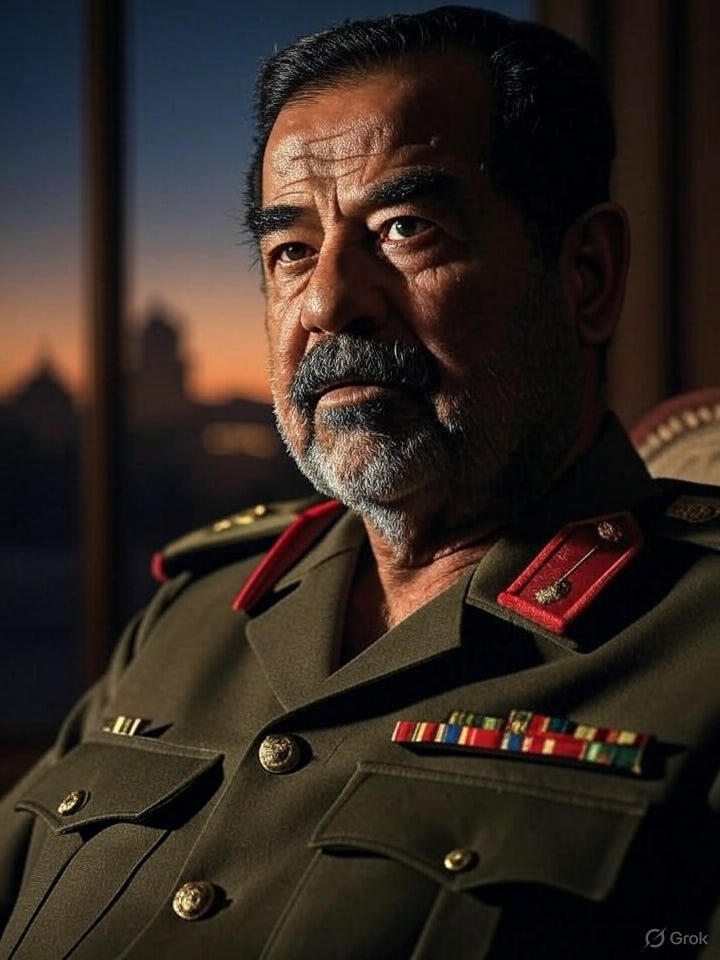
Saddam Hussein’s Sunni-dominated Ba’athist regime favored the Sunni Arab minority, marginalizing the Shia majority and Kurds, thus intensifying sectarian and ethnic grievances. His brutal campaigns, such as the 1980–1988 Iran-Iraq War, drained national resources and alienated Shias, who were conscripted en masse and faced suspicion of disloyalty due to Iran’s Shia leadership. Saddam’s 1988 Anfal campaign against the Kurds, involving chemical weapons and killing tens of thousands, cemented Kurdish aspirations for autonomy. As a polarizing figure, Saddam’s repression unified Iraq through fear but sowed deep resentment, which erupted after his fall, contributing to the country’s fragmentation.
The 1991 Gulf War, triggered by Saddam’s invasion of Kuwait, further weakened Iraq and highlighted his polarizing role. Post-war UN sanctions crippled the economy, disproportionately harming Shias and Kurds while Saddam’s regime maintained control through patronage and repression. The U.S.-enforced no-fly zones enabled Kurdish autonomy in the north, a precursor to Iraq’s Balkanization, while Shia uprisings in the south were brutally crushed, deepening sectarian divides. Saddam’s defiance of the West made him a hero to some Sunni Arabs but a tyrant to others, polarizing Iraq’s population and eroding national cohesion.
The 2003 U.S. invasion, which toppled Saddam, unleashed the sectarian tensions his rule had suppressed. His execution in 2006, perceived by Sunnis as a Shia-led vendetta, fueled insurgencies like al-Qaeda in Iraq, a precursor to ISIS, which exploited Sunni alienation. The Shia-led government’s exclusionary policies and the Kurdish push for independence reflected Iraq’s fragmentation into ethno-sectarian enclaves. Saddam’s polarizing legacy—his Sunni favoritism, anti-Kurdish atrocities, and defiance of global powers—created fault lines that fractured Iraq after his fall, mirroring the ethnic divisions that led to the Ottoman Empire’s collapse.
Iraq’s ongoing fragmentation, with a semi-autonomous Kurdistan and persistent sectarian violence, underscores the long-term impact of Saddam Hussein’s polarizing leadership. While his authoritarianism temporarily held Iraq together, it exacerbated ethnic and sectarian divides, making post-Saddam unity elusive. The rise of ISIS in 2014, exploiting Sunni grievances, and the Kurdish independence referendum in 2017 highlight Iraq’s Balkanization-like trajectory. Saddam’s role as both unifier and divider remains a critical lens for understanding Iraq’s fractured present, where his legacy continues to shape its struggle for stability. We break this down individually below, but know this form of bolshevism is ongoing today globally
The Iran-Iraq War and Kurdish Struggles
The 1980–1988 Iran-Iraq War deepened Iraq’s internal fractures. Saddam’s brutal campaigns against Kurds, including the Anfal genocide, alienated the Kurdish population. Shia discontent also grew, fueled by sectarian policies and economic hardship, setting the stage for future fragmentation.
The 1991 Gulf War and Sanctions
The 1991 Gulf War weakened Iraq’s central authority. U.S.-enforced no-fly zones allowed Kurds in the north to establish a de facto autonomous region, while Shia uprisings in the south were brutally suppressed. UN sanctions crippled Iraq’s economy, exacerbating ethnic and sectarian divides.
Post-2003 Fragmentation
The 2003 U.S. invasion toppled Saddam Hussein, but the subsequent power vacuum unleashed sectarian violence. The new Shia-led government alienated Sunnis, while Kurds consolidated their autonomy in the Kurdistan Region. The rise of ISIS in 2014 further fragmented Iraq, as the group exploited Sunni grievances to seize territory.
Ongoing Challenges in Iraq
Despite ISIS’s defeat, Iraq remains deeply divided. The Kurdistan Region’s 2017 independence referendum, though non-binding, highlighted Kurdish aspirations for statehood. Sectarian tensions between Sunnis and Shias persist, and the central government struggles to assert authority over a fractured state.
Comparative Analysis: Common Themes
The Balkanization of the Ottoman Empire, Soviet Union, Yugoslavia, and Iraq shares common drivers: ethnic and cultural diversity, weak central governance, and external interference. Each entity struggled to balance unity with diversity, and nationalist movements, often fueled by external powers, accelerated fragmentation.
External Powers and Geopolitical Interests
In each case, external powers played significant roles. The Ottoman Empire was undermined by European rivalries, the Soviet Union by Cold War dynamics, Yugoslavia by Western intervention, and Iraq by colonial and post-colonial interventions. These powers often supported nationalist movements to weaken their rivals, exacerbating fragmentation.
Economic Factors
Economic decline was a consistent factor. The Ottoman Empire’s stagnation, the Soviet Union’s economic crisis, Yugoslavia’s debt, and Iraq’s war-torn economy weakened central authority, making it harder to suppress nationalist or sectarian movements.
Legacy of Fragmentation
The legacy of Balkanization varies. The Ottoman collapse left a volatile Middle East and Balkans. The Soviet Union’s dissolution created relatively stable states, though conflicts persist in places like Ukraine. Yugoslavia’s breakup resulted in new nations but ongoing tensions. Iraq remains a fragile state, with Kurdish and sectarian divisions unresolved.

The Role of the Bolsheviks in Balkanization
Formation of the Soviet Union
The Bolsheviks, led by Vladimir Lenin, played a pivotal role in shaping the Soviet Union’s structure, which influenced its eventual Balkanization. After the 1917 Russian Revolution, they inherited the multi-ethnic Russian Empire and sought to consolidate power over diverse regions.
Lenin’s Nationality Policy
Lenin’s nationality policy aimed to accommodate ethnic diversity by creating a federal system of republics and autonomous regions. This was a pragmatic response to nationalist movements in Ukraine, Georgia, and elsewhere, which threatened Bolshevik control during the Russian Civil War (1917–1923).
Federal Structure and Its Flaws
The 1922 Soviet Constitution established a federation of republics, each with nominal autonomy but subordinate to Moscow. This structure recognized ethnic identities but suppressed true self-determination, as the Communist Party maintained centralized control.
Stalin’s Repression
Under Joseph Stalin, the Bolsheviks’ approach shifted toward repression. Forced collectivization, purges, and deportations targeted ethnic groups like Ukrainians, Chechens, and Tatars, fostering resentment. Stalin’s policies deepened ethnic grievances while maintaining an illusion of unity.
World War II and Expansion
The Bolsheviks’ annexation of the Baltic states, western Ukraine, and Bessarabia during World War II expanded the Soviet Union but sowed seeds of future conflict. These regions, forcibly integrated, harbored strong nationalist sentiments that resurfaced in the 1980s.
Post-War Consolidation
After World War II, the Bolsheviks’ successors reinforced Soviet unity through ideological control and economic integration. However, the federal structure, designed by the Bolsheviks, inadvertently provided a framework for republics to assert independence when central authority weakened.
Gorbachev and the Unraveling
Gorbachev’s reforms in the 1980s exposed the contradictions of the Bolsheviks’ nationality policy. Glasnost allowed ethnic groups to voice grievances, while perestroika weakened Moscow’s grip, enabling republics to push for sovereignty.
The Bolshevik Legacy
The Bolsheviks’ federal system, intended to manage diversity, paradoxically facilitated the Soviet Union’s Balkanization. By creating ethnically defined republics, they provided a blueprint for fragmentation when central control faltered.
Impact Beyond the Soviet Union
The Bolsheviks’ influence extended to Yugoslavia, where they supported Tito’s communist regime. However, Yugoslavia’s federal structure, inspired by the Soviet model, similarly failed to suppress ethnic rivalries, contributing to its eventual collapse.
The Balkanization of the Ottoman Empire, Soviet Union, Yugoslavia, and Iraq reflects the challenges of governing multi-ethnic states in the face of nationalism, economic decline, and external pressures. The Bolsheviks, through their nationality policies and federal structures, played a significant role in shaping the Soviet Union’s trajectory toward fragmentation. Their legacy underscores the delicate balance between unity and diversity in complex political entities, a lesson that continues to resonate in today’s geopolitics.
The Potential Balkanization of the United States: A Confluence of Economic, Social, and Political Crises
The United States, historically a beacon of unity despite its diverse population, faces growing risks of fragmentation akin to the Balkanization seen in the Ottoman Empire, Soviet Union, Yugoslavia, and Iraq. Balkanization, the division of a state into smaller, often hostile entities driven by ethnic, cultural, or ideological differences, is not an immediate likelihood but a plausible scenario under current stressors. Rising cost of living, potential spikes in oil prices, civil unrest over immigration enforcement, and ideological polarization are converging to strain the nation’s social and political fabric. This report explores these factors, drawing parallels with historical cases of fragmentation, and examines the relevance of Bolshevism as a lens for understanding radical responses to these crises, particularly in light of recent unrest in Los Angeles.
Economic Pressures: The Cost-of-Living Crisis
The United States is grappling with a cost-of-living crisis driven by inflation, stagnant wages, and supply chain disruptions. Housing costs have soared, with median home prices in many urban areas exceeding affordability for middle-class families. For instance, in Los Angeles, median home prices hover around $1 million, while rents have risen by over 20% in the past five years. Combined with increasing costs for essentials like food, healthcare, and education, this squeezes households, particularly in lower-income brackets. The Yale Budget Lab estimates that recent tariffs could add $2,100 annually to household expenses, disproportionately affecting poorer families. This economic strain fuels resentment, as communities feel left behind by elites perceived to benefit from globalization.

Oil Prices and Economic Ripple Effects
The potential for oil prices to reach triple digits, driven by global supply constraints and U.S. trade policies, exacerbates economic woes. In 2025, OPEC+’s decision to increase output has put downward pressure on prices, but proposed U.S. tariffs, such as 500% levies on countries buying Russian fossil fuels, could disrupt global energy markets, raising costs. Higher oil prices would increase transportation and production costs, further driving inflation. For example, gasoline prices, already a political flashpoint, could surpass $5 per gallon, straining commuters and industries. This could deepen regional disparities, as energy-dependent states like Texas and rural areas face higher costs than urban centers with better public transit.
Civil Unrest and Immigration Enforcement
Recent protests in Los Angeles against Immigration and Customs Enforcement (ICE) raids highlight growing social tensions. Sparked by President Trump’s aggressive immigration policies, including mass deportation operations, these protests have seen over 385 arrests and violent clashes, with incidents of vandalism and firebombs. The deployment of 4,000 National Guard troops and 700 Marines, an unprecedented move, has escalated tensions, with a federal judge blocking Trump’s federalization of the California National Guard. These events echo historical cases where heavy-handed state responses to unrest fueled further division, as seen in Yugoslavia’s crackdowns on ethnic groups.
Polarization and Weakening Institutions
Political polarization is a key driver of potential Balkanization. Rhetoric from leaders, such as Trump’s attacks on federal institutions like the FBI and calls to abolish ICE by some Democrats, undermines institutional legitimacy. A 2018 poll noted increasing public division over agencies like ICE, reflecting eroding trust. This mirrors the Soviet Union and Yugoslavia, where weak institutions failed to mediate ethnic or ideological conflicts. In the U.S., partisan divides over immigration, economic policy, and cultural issues create fault lines, with states like California and Texas pursuing divergent policies, resembling proto states within a federation.
Immigration as a Divisive Force
Immigration, a cornerstone of American identity, is now a flashpoint. The American Immigration Council estimates mass deportation of 13.3 million undocumented immigrants would require 220,000 to 409,000 additional personnel, cost billions and disrupting communities. Such operations risk alienating not just immigrants but also citizens who see them as integral to society, as evidenced by Los Angeles protests where labor unions and local leaders rallied against ICE. This echoes Ottoman and Yugoslav fragmentation, where policies targeting specific groups (e.g., Armenians or Albanians) fueled resentment and separatism.
Regional Disparities and Cultural Fractures
The U.S. is increasingly divided along regional and cultural lines. Coastal states like California advocate progressive policies, while heartland states lean conservative, creating a patchwork of laws on issues like immigration, abortion, and gun control. This mirrors the Balkans, where cultural and religious differences fueled hostility. Some Republican lawmakers have even suggested breaking up the U.S., reflecting a growing acceptance of division. Urban-rural divides further exacerbate tensions, with rural areas feeling neglected by urban-centric policies, potentially fostering regionalist movements.

The Role of External Influence
Unlike the Soviet Union or Yugoslavia, where foreign powers like Russia directly supported separatists, the U.S. faces subtler external interference. Russian disinformation campaigns, now emulated by domestic actors, amplify division through social media, spreading hate speech and conspiracy theories. This erodes social cohesion, as seen in the Balkans, where foreign manipulation exacerbated ethnic tensions. While no state currently foments civil war in the U.S., the proliferation of domestic disinformation could achieve similar destabilizing effects.
Economic Fallout from Tariffs
Trump’s tariffs, raising the average effective rate to 15.6% by June 2025, have sparked economic turmoil. The S&P 500’s 5% drop in April 2025 reflects market fears of inflation and supply chain disruptions. Higher costs for imported goods, from food to electronics, strain consumers already grappling with inflation. This could deepen resentment in economically disadvantaged regions, fostering narratives of federal neglect and fueling regionalist sentiments, much like economic disparities in Yugoslavia contributed to its collapse.
Social Fabric and Vigilantism
Mass deportation operations could increase vigilantism and hate crimes, threatening the social fabric. In Los Angeles, protests have intertwined labor and immigrant rights, with figures like David Huerta’s arrest galvanizing communities. This mirrors Iraq’s sectarian violence, where state policies alienated groups, leading to militia formation. In the U.S., armed militias or vigilante groups could emerge in response to perceived government overreach or community marginalization, further destabilizing society.
The Specter of Bolshevism
The term “Bolshevism” has resurfaced in discussions of U.S. unrest, particularly in posts on X warning of a “Bolshevik-style revolution” tied to Los Angeles protests. These claims, often exaggerated, draw parallels to the Bolsheviks’ exploitation of economic hardship and social unrest in Russia to seize power. In the U.S., radical leftist groups could capitalize on economic inequality and anti-ICE sentiment to push revolutionary rhetoric, though no evidence suggests a cohesive Bolshevik-like movement. Instead, the term reflects fears of radical upheaval amid growing distrust.
Historical Parallels with Bolshevism
The Bolsheviks succeeded in Russia by uniting disparate groups—workers, peasants, and ethnic minorities—against a failing state. In the U.S., economic distress and immigration crackdowns could galvanize similar coalitions, particularly in urban centers like Los Angeles, where labor unions and immigrant communities are closely aligned. However, unlike Russia’s centralized revolutionary movement, U.S. radicalism is fragmented, lacking the ideological coherence of Bolshevism. Still, the Bolshevik model of exploiting crises resonates as a cautionary tale.
Potential for Regional Separatism
Balkanization in the U.S. could manifest as regional separatism rather than ethnic fragmentation. California’s legal challenges to federal tariffs and immigration policies, such as Governor Newsom’s lawsuit against Trump, signal defiance. Texas’s independent energy grid and border policies further illustrate regional autonomy. These actions echo Yugoslavia’s republics asserting independence as central authority weakened. A prolonged crisis could see states or regions pursuing de facto sovereignty, especially if federal legitimacy erodes further.
Urban Unrest as a Catalyst
Los Angeles’s protests, involving multiple agencies and military deployment, highlight the potential for urban unrest to escalate. The use of flash-bangs, arrests of over 160 people, and vandalism of Waymo vehicles reflect a volatile atmosphere. Such unrest could spread to other cities, as seen in international protests where heavy-handed responses fueled violence. If unchecked, this could lead to localized insurrections, weakening federal control and encouraging regionalist movements.
Economic Inequality and Radicalization
Economic inequality, exacerbated by tariffs and inflation, could drive radicalization. In Russia, the Bolsheviks capitalized on peasant and worker discontent; in the U.S., marginalized groups—urban poor, immigrants, or rural communities—could turn to radical ideologies if economic conditions worsen. The Los Angeles protests, driven by labor and immigrant rights, suggest a potential base for such movements, though they remain decentralized. Radical groups could exploit these grievances, though they lack the Bolsheviks’ organizational discipline.
Institutional Erosion and Power Vacuums
The erosion of institutional trust, as seen in attacks on ICE and the FBI, creates power vacuums that radical groups could exploit, much like the Bolsheviks filled Russia’s post-tsarist void. In the U.S., distrust in federal agencies could empower state or local authorities, or even non-state actors, to assert control, resembling Iraq’s post-2003 fragmentation. These risks creating governance gaps were radical ideologies, including neo-Bolshevist rhetoric, could gain traction.
The Role of Technology and Disinformation
Social media amplifies division, with domestic actors now outpacing foreign disinformation campaigns. X posts warning of “Bolshevik-style” revolutions illustrates how fearmongering can escalate tensions. This mirrors the Ottoman Empire, where propaganda fueled ethnic strife. In the U.S., online echo chambers could radicalize groups, from far-left activists to right-wing militias, increasing the risk of localized conflicts that fragment national unity.
Mitigating Factors
Despite these risks, the U.S. has mitigating factors absent in historical cases. Strong institutions, a federal system allowing state-level experimentation, and a shared national identity counteract Balkanization. Unlike Yugoslavia or Iraq, the U.S. lacks deep ethnic divides, though cultural and ideological rifts are growing. Economic resilience and democratic mechanisms, if preserved, could prevent collapse, but they require active reinforcement to counter current stressors.

Policy Implications
To avoid Balkanization, the U.S. must address economic inequality, moderate immigration enforcement, and rebuild institutional trust. Policies like targeted economic relief, transparent immigration reforms, and bipartisan efforts to strengthen federal agencies could reduce tensions. Ignoring these issues risks escalating unrest, as seen in Los Angeles, and fueling radical ideologies that exploit public discontent.
The potential Balkanization of the United States, while not imminent, is a growing concern driven by economic pressures, immigration-related unrest, and political polarization. The cost-of-living crisis, potential oil price spikes, and protests against ICE, as seen in Los Angeles, create fertile ground for division. While Bolshevism as a coherent movement is unlikely, its relevance lies in the warning it offers crises can empower radical groups to exploit discontent. The U.S. must navigate these challenges with pragmatic policies to preserve national unity, lest it follow the path of fragmented empires like the Soviet Union or Yugoslavia.
We want to thank all of you for tuning in and being on this journey with us. This is not legal or financial advice as a disclaimer. Please enjoy responsibly. We look forward to seeing you here in Beverly hills August 29 or in Boca Raton next month.
Contact Ian or Mark Gonzales contact info below:
Ian: (307) 264-9441
First National Bullion (ask for mark)
Mention Derek or Tony
Donate to occupy peace and trends journal:
Occupy Peace & Freedom | DIE FOR WAR OR FIGHT FOR PEACE
trendsjournal.com – History Before It Happens
www.youtube.com/@Piggostradingdesk
https://registration.allintheloop.net/register/event/rick-rule-symposium-2025-ccha?via